


AI changed the way media gets made. This talk saw it early.
Three years ago, Luis Ibanez gave a university conference on artificial intelligence and audiovisual content creation.

The topic
Optimizing audiovisual media creation.
The session focused on a simple idea.
The conference was held in May 2023.
AI was not just a trend. It was becoming part of the creative workflow.
The conference took place at Universidad Autónoma de Baja California, in the Faculty of Humanities and Social Sciences.
The setting mattered. Tijuana sits inside the San Diego-Tijuana border region, where culture, media, business, and technology constantly cross paths.
The talk covered advertising spots, video production, post-production, audio cleanup, editing, and content planning.
The main point was speed.
Faster ideas. Faster edits. Faster delivery.
The goal was practical: show students how new tools could help them deliver better audiovisual projects with more control and less wasted time.
In audiovisual production, speed matters. Not rushed work. Faster delivery with better decisions.
What was covered
Short tools. Real workflows. Clear examples.
The conference connected creative ideas with tools students could understand and test.
Early ChatGPT
The talk happened near the first wave of ChatGPT. Prompts, scripts, ideas, and creative direction were part of the discussion.
AI content generation
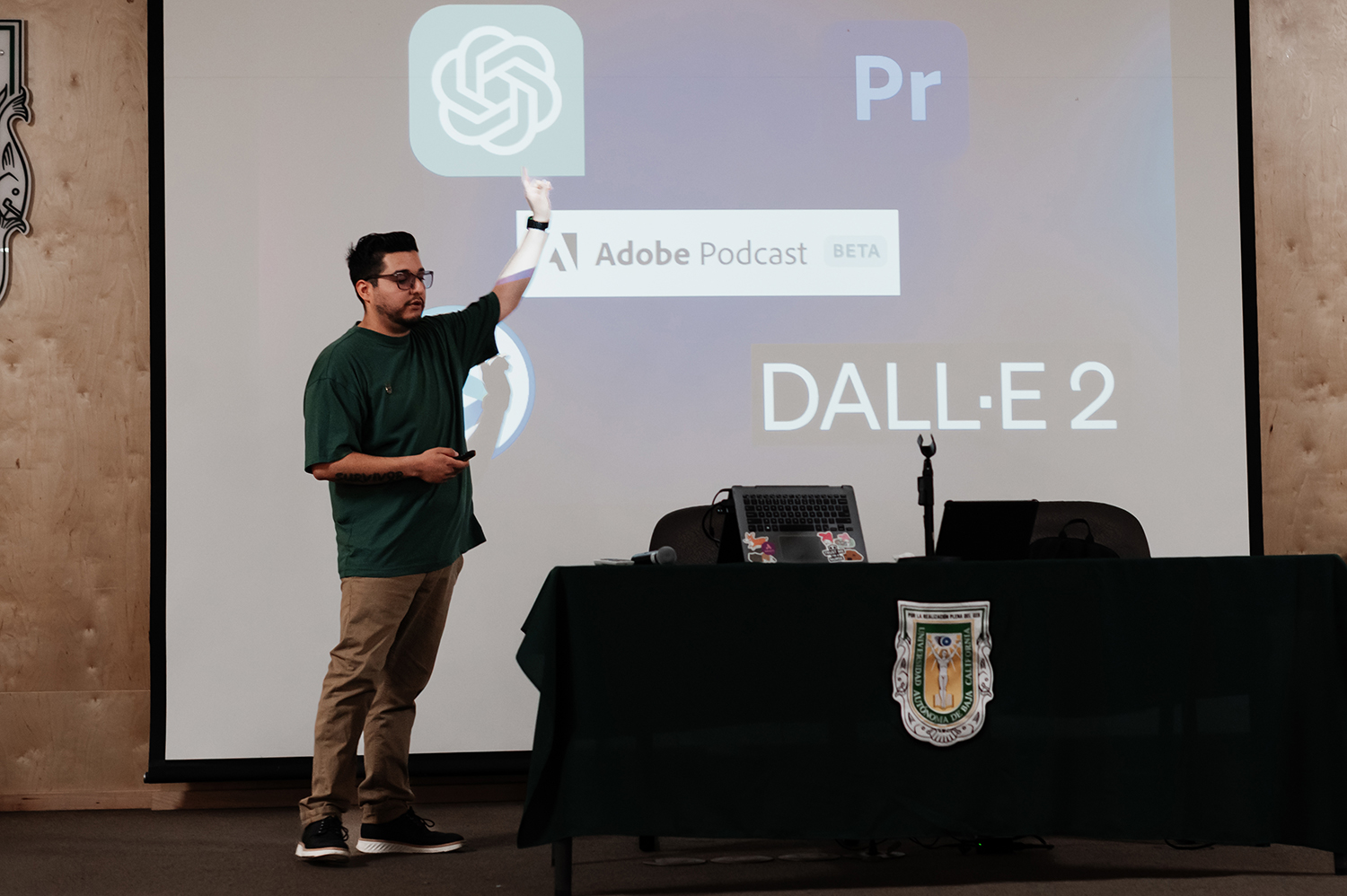
Students saw how AI could support images, copy, ad concepts, video planning, and faster creative tests.
Video models
Tools like Runway, Cedence, and Artlist pointed to new video techniques that are now part of real production workflows.
Adobe AI tools
Adobe features that were still early or beta are now common: object removal, audio cleanup, remixing, and faster post-production.
Then and now
What felt experimental is now standard.
At the time, many of these tools were still new.
ChatGPT was just entering creative conversations.
AI video models were still rough, but the direction was clear.
Adobe was testing tools that are now used every day in editing, cleanup, generative fill, and object removal.
The conference was about that shift: how creators could use AI to move faster without losing control of the message.
For any audiovisual project, that speed can change the entire production process.
The point was not to replace creativity. The point was to make the process sharper.
From the presentation
Teaching content creation in a changing media industry.
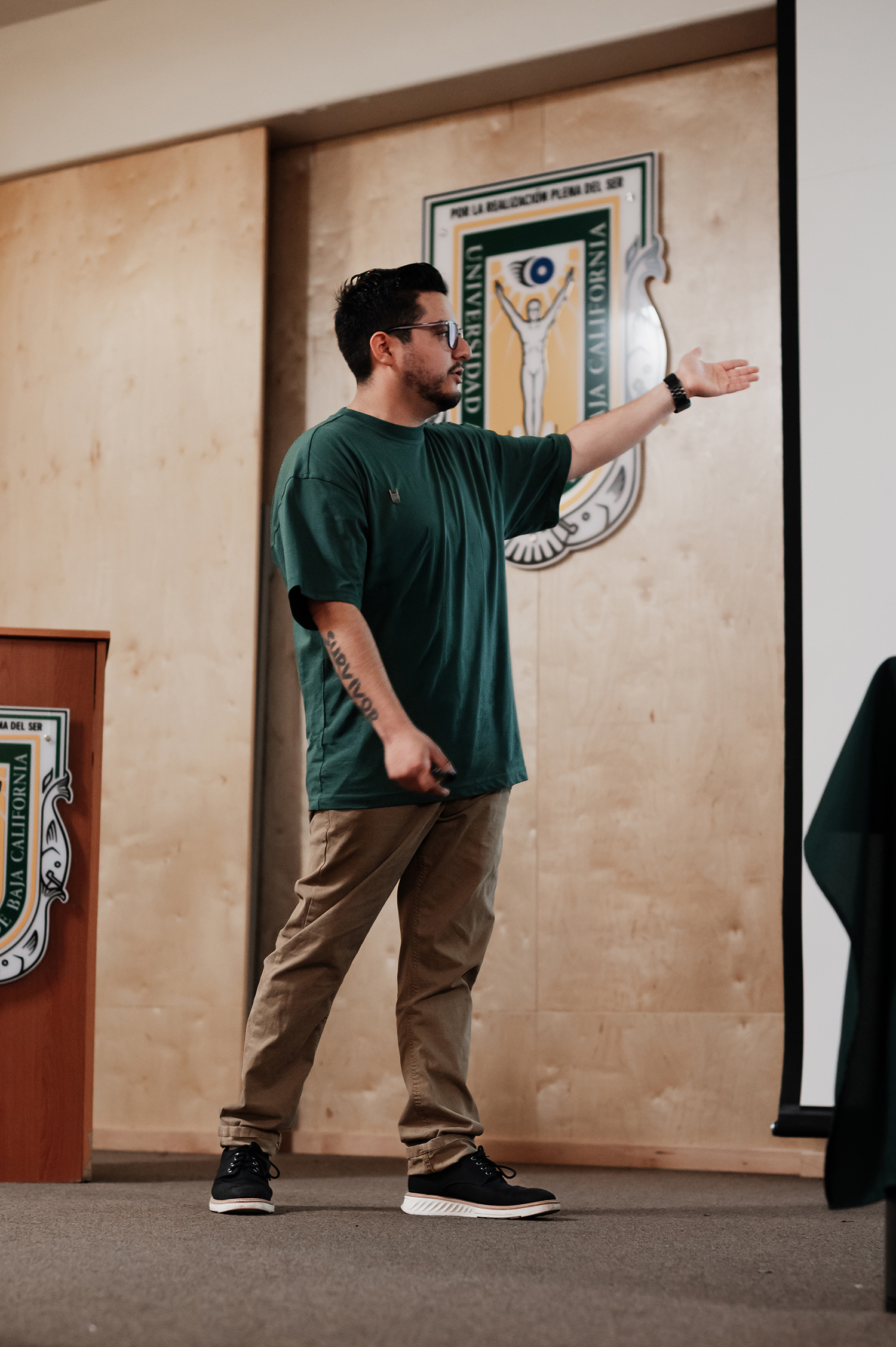
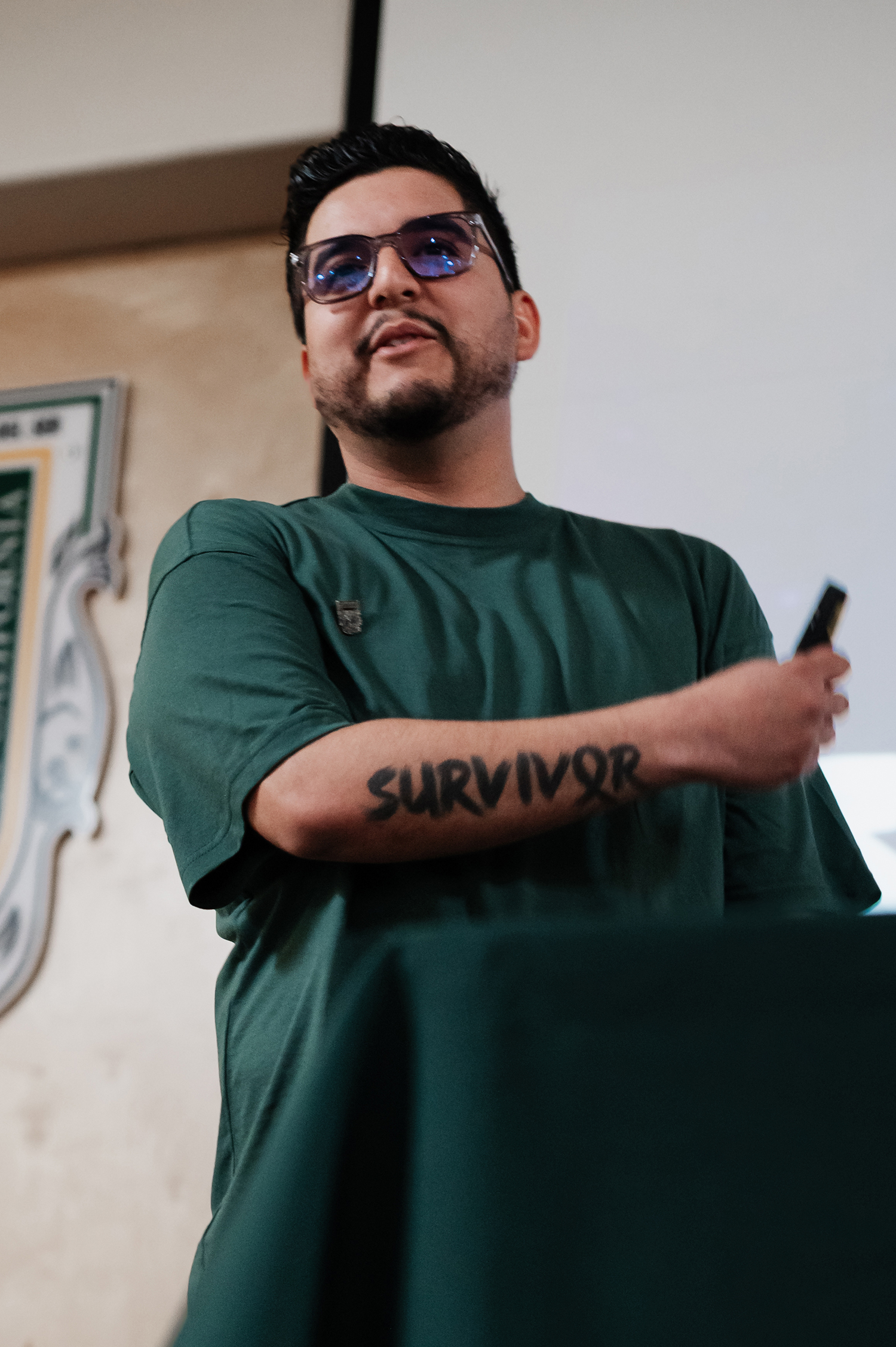
These images are from the university presentation.
The room was focused on media, marketing, advertising, and the new creative tools entering production.
Full circle
Returning to the faculty where the path started.
For Luis, the invitation had personal weight.
He was returning to the faculty where he studied.
Sharing new creative tools with students in that same academic space felt meaningful.
It was a way to connect what he learned there with the media work he now builds through IbanezMedia.
Why it matters now
AI is now part of modern media production.
What felt early then is normal now.
Creative teams use AI to plan faster, edit cleaner, organize assets, improve sound, test ideas, and deliver more versions.
IbanezMedia uses that same mindset today: clear strategy, strong visuals, faster workflows, and content built for real business use.